Build Location
Execution is leadership
In this module Manufacturing & Production we want to offer some important ideas to help you find or develop the processes for projects of different scale
A built site is a do-ocracy, an organizational model where power and decision-making authority are held by those who do the work, rather than through elected officials or rigid hierarchies
Big art is not built by inspiration alone, it requires systems, people, environments and tooling
As builders with experience in different weather conditions, timelines and budgets, we want to emphasize the importance of flexible leadership
Leadership is not always delegating, it is listening to the experienced builders and ensuring their safety and comfort
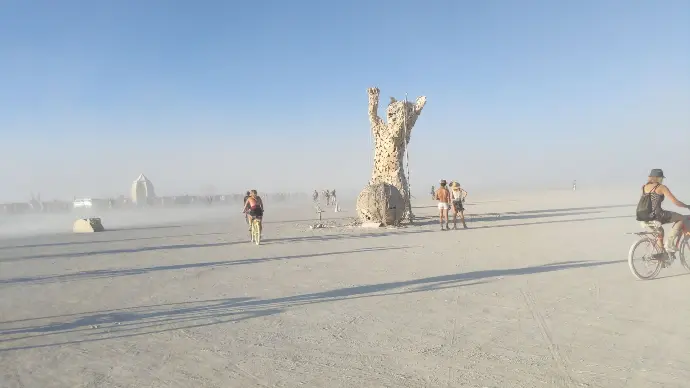
Build Location
Your build site affects your outcome
Before cutting anything try to figure out where is it going to be built
The build location affects
Budget
Timeline
Safety
Morale
Logistics
Quality
If the environment is unstable the project will feel unstable, a remote location is going to require higher transportation costs
Size, weather and accessibility are the usual concerns; most locations don't have electricity or water, is good to know how to be prepared for that, with wireless tools, spare batteries, water gallons
Warehouse vs Outdoor Site
Where possible, it is better to have a warehouse, and some places require heating, a/c or additional amenities to support a long project and labor regulations; particularly working in civic commissions with union crews, it can eat a big part of the budget
Most many regular artists will find space on their workshops, or local spaces where their membership allows them to store and work on their project; some storage unit rentals have weather control, be mindful when selecting that your materials are graded to survive the winters or summers
Outdoor locations are more common in some areas, where most houses have backyards or public spaces that can be commandeered, besides making sure that all the materials are capable of resisting the weather, is a good idea to have tarps underneath and above, and securely pack all tools and materials
The safety of the build location is an important part of the artistic process, understood as preventing crew accidents, and loss of material
Warehouse Build
Pros
Weather protection
Stable power
Secure tool storage
Predictable working hours
Better precision for fabrication
Running water
Cons
Rent
Zoning restrictions
Height limits
Shared space politics
In the warehouse is comfortable to have desks, computers, boards; and iterate every process from CAD ideation to manufacturing; particularly with large tools like CNC routers, is preferable to share a membership in some maker space and have get the benefits for your project
Outdoor Build
Pros
Lower cost
More space
Easier access for large components
More visibility for community engagement
Cons
Rain delays
Heat exhaustion
Wind
Dust
Tool security issues
Outdoor builds require
Shade
Water planning
Daily setup and shutdown systems
Clear safety culture
Building outside can work great for traveling and self contained projects, bus modifications, RVs, stages; having a good practice of tool storage, and organization is key to replicate processes for the crew
Zoning and Legal Use
Before committing to a site figure out
Is fabrication allowed here
Can you weld here
Are there noise limits
Are there fire restrictions
Are you allowed to store materials
Getting shut down can be expensive and a huge nuance, check with the correct authorities just in case; renters specially as owners usually have more leeway; Again, is a good idea to partner with local existing initiatives to navigate any question with higher confidence, and find the best options at hand
The building and deploying of the project usually happen in different places, like one of the architects in Bogota sends us CAD design, we spend weekends in New York cutting wood boards and gathering materials, ship them to the event location in the west coast, fly there, build, etc
It is also possible to build all the materials at the final location after flying there, or ordering online to pick up if there is little preparation work needed
Insurance
If you have
Volunteers
Heavy tools
Public access
Large structures
You likely need insurance
Consider
General liability
Event insurance
Volunteer coverage
Equipment insurance
Transport coverage
To have insurance is usually better to have an LLC, consider looking for a registered agent that can walk you through some options and find a solution that works; as you might need different kinds of insurance or permits in multiple states, and can be really expensive to get it wrong, is a topic where is good to listen to the experts
Local crews are likely to know well about the requirements, if you're planning to just do local events and some installations for now you might be able to get all the information you need in city hall
Infrastructure Basics
Most places where you're building won't have electricity, or will be generally limited in resources. Consider that even if they promised it, their production can have delays or issues where they're not capable of providing everything they committed to
Power
Battery, grid or generator
Amperage capacity
Cable safety
Backup plan
Water
Drinking water
Heat management
Cleaning
Dust control
Waste
Scrap separation
Recycling
Hazard disposal
Daily cleanup system
Staying organized with your basics ensures that everything else can happen; a dirty worksite, heatstrokes, drills with no battery are some of the many circumstances that becomes excuses to stop all work and create delays
Large Scale Reality
The more your team grows you stop being a fun group of friends and become a professional production, it is very important to spend time empowering people to lead different departments and ensure their activities are on schedule
It is impossible to manage all of this on your own, the only way to fully disengage is by paying someone for being the artist; which fine, many friends work super hard for their favorite events, and hire some whatever production company for the family vacation rave
Food Systems
In small team is easier to expect everyone to manage their own food, but past a certain size it's actually cheaper and much better to have a kitchen team; depending on the budget there are many fun upgrades to keep the kitchen colder, and incentives for volunteers to participate
A food lead
Meal schedule
Grocery coordination
Dietary awareness
Refrigeration
Freezer capacity
Ice management
Cleanup rotation
We have rented refrigerated trucks, driven across states for bulk supplies, coordinated communal kitchens; food is really part of the infrastructure
Food safety is another important consideration, your personal style at home might be more lax, but when you're feeding strangers is super important to consider how temperature, local critters, your coolers, can create unsanitary conditions that harm the people you're trying to nurture
In some cases, like art projects that are feeding people, or when you rent a warehouse and plan to have a bar, you need to get a liquor or food safety permit; consult with the correct authorities and make sure to apply with ample time, or you might lose on an important revenue avenue
Showers and Hygiene
For multi day builds plan for
Shower access
Portable systems
Hygiene stations
Shade
Greywater management
Fatigue plus heat equals accidents; plan for the kind of equipment your crew is bringing, and book the servicing of rentals ahead of time; in most cases the rental companies find additional fees to charge when needing additional cleaning, miles or gas
Travel and Containers
Having standardized packing containers and systems helps your crew a lot, particularly when:
Driving across states
Flying collaborators in
Shipping containers
Coordinating caravans
This requires
Transport schedules
Backup tools
Spare hardware
Arrival coordination
Camp layout planning
Fuel planning
Equipment tracking
Each additional person increases complexity, paperwork and coordination. So being able to identify quickly via the labels, the boxes with the important tools is a blessing
Leadership Focus
You can have perfect engineering, and still fail because morale collapses
Strong production includes
Clear shift schedules
Defined roles
Communication channels
Hydration reminders
Rest periods
Conflict mediation
Gratitude
Good productions often include
Artist support teams
People checking hydration
Someone responsible for team wellbeing
Calm problem solvers
Clear chain of command
Leadership is emotional steadiness, if you panic the team feels it, if you stay grounded the system stabilizes
The Dream Is Not Scary
Yes you may
Store materials in multiple locations
Drive long distances
Fly team members in
Ship a container
Coordinate hundreds of volunteers
This is not chaos, it is layered planning; when roles are clear and communication is strong; when food and water are handled
and rest is respected, the same principles will apply to any size
The goal is to create a repeatable process that becomes your artistic culture
Reflection
Do I know what environment my team needs to succeed
Is my build site safe and realistic
Have I planned food water and waste
Who protects morale
What happens if weather shifts
What happens if fewer volunteers arrive than expected
Execution is not accidental
Execution is designed
Santo Cabrón Challenge
Imagine you're building a sculpture in a remote location, you have a comfortable budget, for you and 5 friends to travel there in two pickup trucks with all the materials, and spend a week working in location to install the piece
For the challenge, picture what location is this, a beach? mountain? and draw a production map that describes the size, location of your tents, trucks, materials and build location
Studio vs farm vs warehouse
Tools required
Volunteer vs paid labor
There are no comments for now.
to be the first to leave a comment.